


Food Van Trailer
Henan Wecare Industry Co., Ltd
Our food truck manufacturing plant was established in 2010, initially with only a few employees and simple equipment. With the in-depth understanding of the food truck market and the growing demand of customers, we gradually expanded our scale and introduced more advanced equipment and technology.Over the past decades, we have been improving and innovating, and gradually established a good reputation in the food truck market. Our products are exported to many countries and regions. Our workforce has also been growing and we now have more than 100 professional employees.
Why Choose Us
Our factory
We are a company with more than 100 professional employees dedicated to providing high quality food cart products. Our factory is equipped with first-class equipment and technology to ensure that the food trucks we produce not only look great, but also have excellent performance.
Advanced production equipment
In terms of equipment, we have introduced advanced production equipment and process technology, including cutting equipment, welding equipment, surface treatment equipment, assembly equipment and testing equipment. These equipments ensure our production efficiency and product quality, as well as enhance our competitiveness.
Our Product
Our product line covers all types of food trucks, including snack trucks, coffee trucks, bakery trucks and more. Each food truck is meticulously crafted by a team of experienced designers and engineers, taking into full consideration the specific needs and budgets of our customers.
Our Certificate
ISO 9001 certification: Our factory has passed ISO 9001 quality management system certification, which shows that the quality of our products is internationally recognised and we have a perfect quality management system.
CE certification: Our products have passed CE certification, which shows that our products comply with the relevant standards and regulations of the European Union and can be sold in the European market.
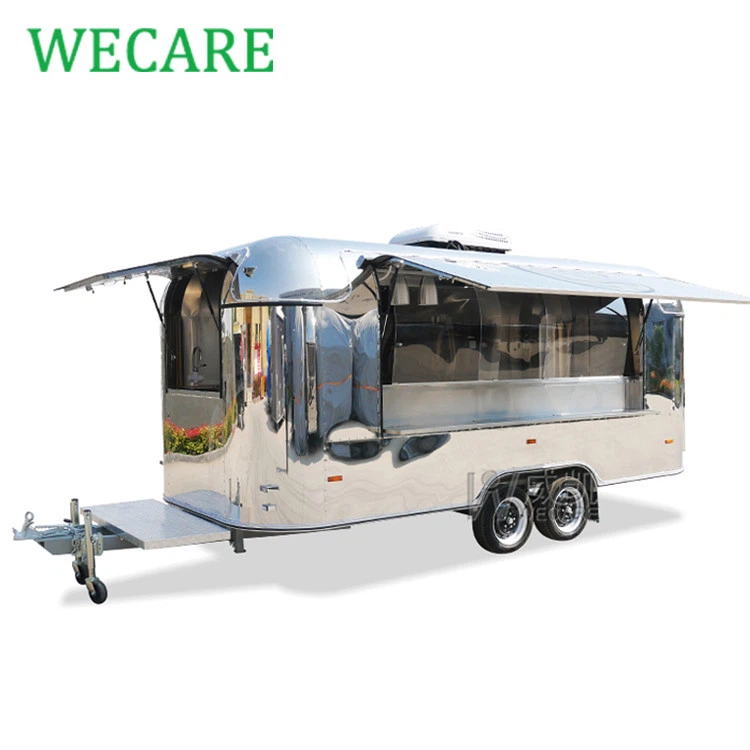
Mobile coffee trailers have a variety of flexible internal equipment, which can meet the needs of different types of food production, from traditional snacks to creative food, everything is available.

If you plan to serve just beverages, then you may want to invest in a concession trailer with a bar-style setup. This type of trailer typically includes a countertop, refrigeration unit, and other equipment for making and pouring drinks. It can also include additional features such as a sink and storage.

Mini concession trailer are not only customizable in appearance and colour, but also flexible in size according to your needs, creating a unique brand image. The lightweight and flexible design allows you to move around and capture business opportunities,our food carts are your right-hand man for success.
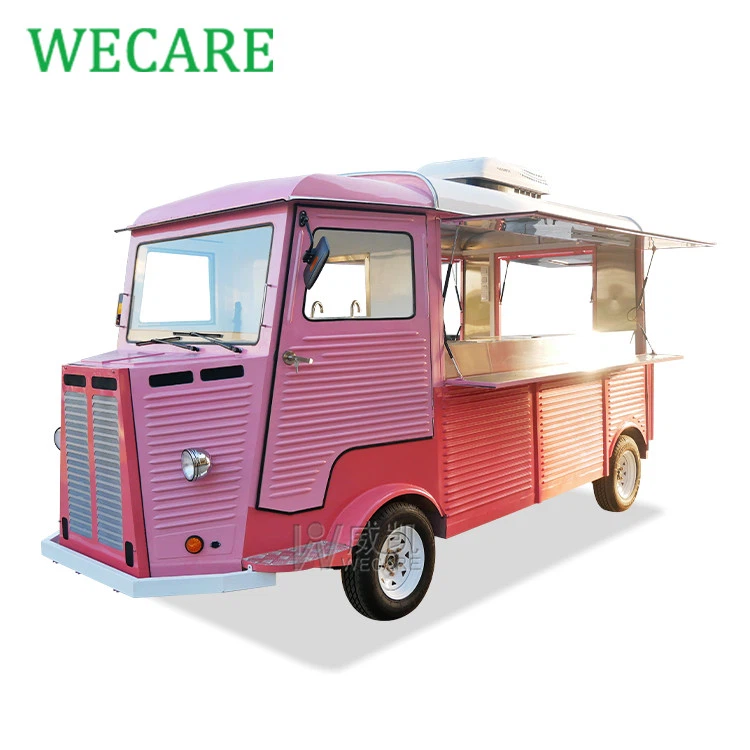
Bus stop food truck, fused with bus styling, rides between the trend and memories. Classic retro style, take you through the time tunnel, relive the good times. Unique selling points make people pay attention to it and become the focus of the streets and lanes.

Our airstream trailers can be used for many different types of catering including film shoots, weddings, promotional events, bars and general purpose sales units capable of producing bagels, baguettes, wraps, sandwiches and hot and cold drinks.

Airstream Catering VanAirstream food carts are the best for business. They are attractive, timeless and the design complements the big, practical work area with all the features and benefits of a trailer over a regular food truck. An airstream unit can be used to serve delicious food and beverages.

The airstream trailer is a classic american rv, known for its signature shiny aluminum exterior. However, for the purpose of selling ice cream, the airstream is transformed into a similar, yet slightly different, version - the airstream ice cream trailer.

Airstream pizza trailer is a mobile food station that combines innovative design and quality production. With versatility, ease of mobility, stylish appearance and quality assurance, it offers convenience and possibilities for your food business venture.

A food trailer is a trailer or airstream of some kind that's been renovated to be able to prepare and serve food. The main difference from a food truck is that a trailer isn't mobile on its own. It needs to be towed by a car or a truck, or it'll stay parked where it is.
What is Food Van Trailer
A food trailer is a trailer or airstream of some kind that's been renovated to be able to prepare and serve food. The main difference from a food truck is that a trailer isn't mobile on its own. It needs to be towed by a car or a truck, or it'll stay parked where it is. Food trailers cost significantly less than food trucks but require a separate vehicle for transportation. Food trailers provide more flexibility in terms of size and design. You can even turn them into mini-restaurants, with colorful banners, outdoor tables, and self-serve food and drink stations. This makes advertising a lot easier and allows you to provide a superior customer experience.
Advantages of Food Van Trailer
More Kitchen Space
One of the biggest advantages of a food trailer is that it typically offers more kitchen and storage space than a food trailer. This additional room allows for a larger variety of equipment, a more complex menu, and the ability to prepare food more efficiently.
01
Separate Vehicle
Since a food trailer is towed by a separate vehicle, any mechanical issues with the towing vehicle won't directly impact your kitchen. You can simply switch to another towing vehicle if necessary. This means fewer disruptions in operations if you face mechanical problems.
02
Cheaper Repairs
If the trailer requires repairs, the costs tend to be lower compared to fixing an entire food trailer. The fact that it is not a motorized vehicle simplifies the maintenance and repair process, and finding specialists to work on food trailers is generally easier and cheaper.
03
Ideal for Stationary Operations
If you plan to park your food business in a permanent or semi-permanent location, a food trailer might be a better option. It can stay parked for long periods, and the lack of need for constant mobility can help cut down on fuel costs and logistics.
04
Budget
Before you spend some cash on a purchase of a truck or a trailer, spend some time thinking about your budget and what your goals are for your business.
Size
The main difference between food trucks and food trailers is their size.
Average food truck sizes vary greatly and range from 14 to 20 feet. Most trucks have an average width of 7 feet to accommodate staff and kitchen equipment, but the length of the truck can vary greatly. The truck you choose should be large enough to accommodate your kitchen, storage needs, and staff operational area.
Food trailers or concession trailers are the largest and most spacious. There is a variety of food trailer sizes, and the exact dimensions are dependent on the specific food trailer model and customization. The average food trailer sizes start at 7ft and stretch up to 26ft in length, width ranges from 5.2ft to 8ft, while the height is above 6.6ft.
Storage space
The size of your interior kitchen space can have an impact on what you can bring with you and your staff size.
Due to their size and mobility, food trucks may call for more dependence on countertop cooking equipment, space-saving storage solutions, and a staff of 1-3 cooks.
While food trailers are large enough for full-sized restaurant equipment, cleaning supplies, and full cooking staff.
Vehicle mobility
The way a mobile kitchen navigates can help determine which events and locations they best cater to.
Food trucks provide excellent mobility, allowing you to navigate different locations, attend festivals, and explore various customer bases.
While concession trailers are slightly less mobile compared to food trucks, they are still highly adaptable and can be moved to different locations as needed.
Set-up and operating
The vehicle's layout requires efficient equipment organization and well-planned workflows to optimize the service process.
Food trucks are designed for quick and easy set-up. Once parked, they can be operational within minutes, providing a seamless experience for both the owner and customers.
Food trailers require additional set-up time as they need to be detached from the towing vehicle and stabilized. However, their larger size allows for more storage space and the potential to accommodate a wider variety of cuisine.
Paperwork requirements
Another aspect to consider when deciding between a food truck vs. Food trailer is the paperwork involved.
Food trucks require more paperwork to get started, with requirements like permits, insurance, tax documents, and a lot more.
If you're looking for the quickest and easiest route to opening your mobile food business, a trailer might be a quicker option as it requires less paperwork.
Visibility and branding
Compelling marketing and branding helps attract your target customers.
With their eye-catching exteriors, food trucks are excellent for grabbing attention and showcasing your brand. The exterior of a food truck can be wrapped with vibrant graphics and branding elements, making them memorable and stand out in the crowd. Moreover, food trucks often come with fold-out service windows for customer convenience.
While food trailers don't offer the same mobility as food trucks, they can still be customized to enhance visibility and branding. By utilizing signs, lighting, and creative design, food trailers can attract customers and build a strong brand presence. Additionally, the larger surface area of a food trailer may present more opportunities for creative branding.
Types of Trailers Used in the Food Industry
Refrigerated Trailers (Reefers): Refrigerated trailers, commonly known as reefers, are the backbone of the food industry's transportation system. These trailers are equipped with built-in cooling systems that maintain specific temperature ranges, ensuring the freshness and safety of perishable food products throughout their journey. Reefers are essential for transporting temperature-sensitive goods such as fruits, vegetables, dairy products, meats, and frozen foods. By maintaining the required temperature and humidity levels, refrigerated trailers prevent spoilage and preserve the quality of food items from farm to consumer, contributing to food safety and reducing food waste.
Dry Van Trailers: Dry van trailers are another commonly used type in the food industry, especially for non-perishable food products and packaged goods. These trailers have an enclosed, weatherproof design that protects food items from external elements during transportation. Dry van trailers are versatile and can transport a wide range of food products, including canned goods, dry grains, packaged snacks, and bottled beverages. They provide secure and efficient transportation for food items that do not require temperature control.
Bulk Food Trailers: Bulk food trailers are specialized trailers designed for transporting loose food products in large quantities. These trailers feature a hopper or tank-like design that allows for efficient loading and unloading of bulk items such as grains, flour, sugar, and liquids like cooking oil or juices. Bulk food trailers are commonly used in the transportation of raw ingredients to food processing facilities, ensuring a steady supply of essential components for food production.
Pneumatic Trailers: Pneumatic trailers are used for transporting powdered or granulated food products such as flour, sugar, salt, and spices. These trailers utilize compressed air to unload their cargo, making them efficient for bulk food handling. Pneumatic trailers are widely employed in the food industry to transport ingredients to baking facilities, snack manufacturers, and food processors, contributing to the production of a wide array of food products.
Insulated Trailers: Insulated trailers are designed with special insulating materials to regulate temperature and protect food products from extreme heat or cold during transportation. While not as sophisticated as refrigerated trailers, insulated trailers are effective for short-distance transportation of temperature-sensitive food items. They provide an extra layer of protection against temperature fluctuations, ensuring that perishable foods stay fresh and safe during transit.
Specialty Food Trailers: Specialty food trailers are designed to meet specific requirements for certain types of food products. For example, some trailers are equipped with additional safety features and controls to transport hazardous food materials. Others may have modified storage systems to accommodate delicate or high-value food items. These specialty trailers play a critical role in maintaining the integrity and safety of specialized food products throughout the supply chain.
Things To Consider When Buying a Food Van Trailer
Before diving into purchasing a new food trailer, it's essential to have a well-defined concept and menu. Consider your target audience and unique selling points, are you aiming to serve gourmet burgers, artisanal tacos, or specialty desserts. By clarifying your concept and menu, you can narrow down your options and choose a food trailer that aligns perfectly with your vision.
Budgeting is a crucial aspect of purchasing a food trailer, and while many are drawn to the most affordable food trailer, it's essential to strike a balance between quality and affordability. It's also essential to consider the long-term costs and potential maintenance expenses you might encounter down the road with your food trailer. With careful financial planning, almost anyone can develop a lucrative food trailer operation.
Food trailer come in various sizes and layouts, ranging from compact food trailers to spacious, 30-foot trailer with ample storage and cooking space. When evaluating your options, consider your operational needs, menu requirements, and available parking space in the location(s) you plan to frequent. Opt for a size and layout that maximizes efficiency while providing sufficient workspace for food preparation and customer service.
The success of your food trailer venture hinges on the quality and functionality of your equipment and appliances. You'll want to ensure that essential features such as refrigeration units, cooking appliances, sinks, and storage compartments are of good quality. Food trailer like are able to handle the leg work for you and source premium, commercial-grade appliances for your mobile kitchen.
While pre-owned food trailer can be an affordable and convenient option, custom-built food trailer allow for greater customization, exterior branding, and specialty features tailored to your specific needs.
Use of Food Van Trailer
Vegan Food Trailer
In the number one spot, you can join the ranks of eco-friendly restaurants with a vegan food trailer. With a plan that incorporates the importance of sustainability, you'll find yourself as the choice food trailer for a lot of customers.
Cocktail Trailer
Cocktail trailer are a fan favorite of all the types of food trailer, especially when it comes to areas with a great nightlife. You'll need to check out getting a liquor license to set up this unique food trailer plan.
Ice Cream Trailer
Who doesn't love ice cream? Well, lactose intolerant folks might not, but you can have an ice cream food trailer with dairy-free ice cream too!
Brunch Trailer
Brunch, as a meal, has been sweeping the nation in recent years, and brunch trailer are the next step up to make brunch on the go. You can craft the best brunch menus and become one of the best brunch places wherever you take your trailer.
Cupcake Trailer
Cupcake trailer are another delicious dessert option on this list. The best option is to create cupcakes with an artful frosting design to make them extra special. If you're in an especially vibrant community, you could theme cupcakes around the neighborhood.
Taco Trailer
Tacos are a treat that can be dressed up or down and can work for a food trailer in any location. You can use local ingredients, and draw in the crowds with two-for-one taco deals.
Hot Dog Stand Trailer
Hot dog stands are a staple summer treat in many locations, and a hot dog stand food trailer is a mobile step up from those classics. You can mix it up with a unique variety of hot dog toppings, including chili and bacon.
Donut Trailer
On this list, you'll find a variety of dessert types of food trailer, including this donut trailer option. Donuts are a treat that works for any location, at any time of the day or night. You can give them a variety of toppings to make them all unique and delicious.
Coffee Shop Trailer
Serving up some top-notch restaurant coffee and even matcha is a great way to create a beverage food trailer. With so many coffee lovers, it's a guaranteed good idea.
Some Tips For Maintaining And Cleaning Your Food Trailer
Have a maintenance Plan: It's important to have a maintenance plan for your food trailer. This will help you keep track of when different parts of the trailer need maintenance. Some important areas to focus on are the engine, oil level, brakes, tires, and wiring.
Keep the trailer clean: A clean food trailer not only looks attractive, but also raises the standard of hygiene. When cleaning the trailer, start with the food preparation area and work outward. Clean cooking equipment and surfaces with a food-grade cleaner and disinfect all tableware and equipment. Wipe down walls, floors, and other surfaces to make sure they don't have grease buildup.
Check your water system: Water is an essential component of every food trailer. Always check your water system before and after use. Make sure your tank is full, the water is clean, and there aren't any strange odors. Check that the faucet is working properly and that there are no leaks in the piping system.
Monitor your propane system: Your propane system is an important part of your food trailer. Always check your propane tanks and lines for signs of wear and make sure they are stored correctly and safely. Always monitor for propane leaks and replace any damaged or old parts.
Clean the exhaust hood: It is necessary to clean the exhaust hood regularly to avoid the accumulation of grease, which can lead to fire hazards. Clean the inside of the hood with degreaser and a brush, and wipe the outside with a cloth.
Keep the generator well maintained: The generator is an important part of the food trailer. Always make sure your generator has enough fuel before starting to run. In addition, your generator needs regular maintenance to ensure that the trailer runs smoothly.
FAQ
Hot Tags: food van trailer, China food van trailer manufacturers, suppliers, factory, food truck design, food trailer local, food truck quality, food truck cash register, food trailer location trends, food trailer technology
You Might Also Like


Send Inquiry