


How to deal with bad weather conditions in a food van trailer?
Jun 24, 2025
Leave a message
Bad weather conditions can pose significant challenges for food van trailers, affecting operations, customer experience, and overall business performance. As a food van trailer supplier, I understand the importance of helping our clients navigate these challenges effectively. In this blog post, I'll share some practical tips on how to deal with various bad weather conditions when operating a food van trailer.
Dealing with Rainy Weather
Rainy weather can be a major headache for food van trailer operators. The first concern is keeping the interior of the van dry. Ensure that your food van trailer is properly sealed to prevent water from seeping in. Check the roof, windows, and doors regularly for any signs of leaks and repair them promptly. You can also install weather stripping around the doors and windows to provide an extra layer of protection.
When it comes to serving customers, rain can make it difficult for them to approach the van. Consider setting up a canopy or awning outside the van to provide shelter. This not only keeps customers dry but also creates a more inviting atmosphere. You can find a variety of canopies and awnings designed specifically for food van trailers on the market. Make sure to choose one that is sturdy and can withstand strong winds and heavy rain.
Another issue to address is the safety of your equipment. Water can damage electrical components, so it's important to keep all electrical equipment covered and protected. Use waterproof covers for generators, fryers, and other appliances. Additionally, make sure to dry off any wet surfaces inside the van to prevent slips and falls.
Handling Extreme Heat
Extreme heat can be just as challenging as rain. High temperatures can affect the quality of your food and beverages, as well as the comfort of your customers and staff. To keep your food fresh, invest in a good-quality refrigeration system. Make sure it is properly maintained and has enough capacity to store all your perishable items. You may also want to consider using insulated storage containers to keep food cold for longer periods.
To keep your customers comfortable, provide shade and ventilation. Set up umbrellas or canopies outside the van to create a cool and inviting space. Inside the van, install fans or air conditioning units to circulate air and reduce the temperature. If possible, position your van in a shaded area to avoid direct sunlight.
It's also important to take care of your staff during hot weather. Provide them with plenty of water and encourage them to take breaks in a cool place. Make sure they are wearing appropriate clothing and using sunscreen to protect themselves from the sun.
Coping with Strong Winds
Strong winds can be dangerous for food van trailers, especially if they are not properly secured. Before setting up your van, make sure to check the weather forecast and avoid areas that are prone to high winds. If you do encounter strong winds, take the following precautions:

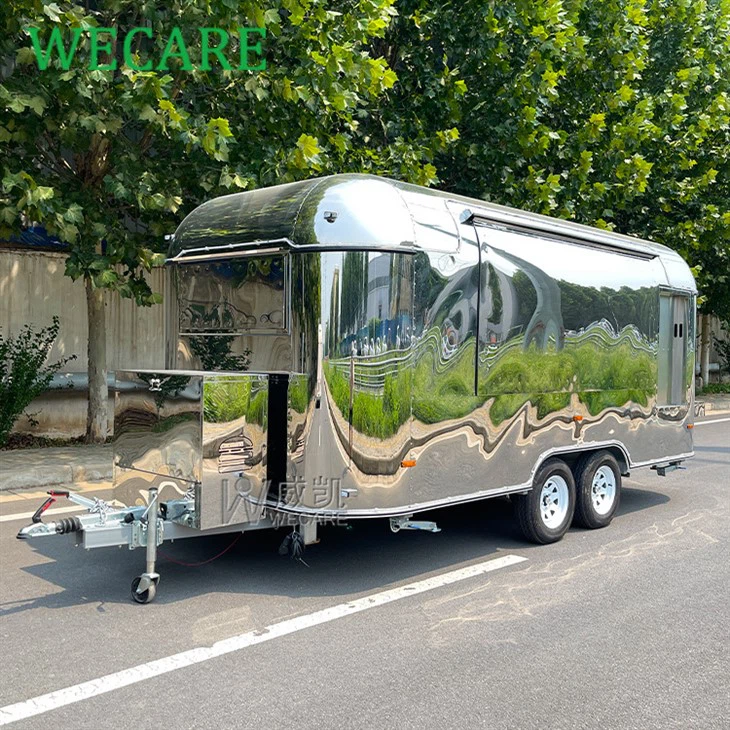
- Secure the van: Use heavy-duty tie-downs or anchors to secure the van to the ground. Make sure they are properly installed and tightened.
- Close all doors and windows: This helps to prevent the van from being damaged by flying debris.
- Remove any loose items: Clear the area around the van of any loose items that could be blown away by the wind.
- Take shelter: If the winds are too strong, it may be necessary to take shelter inside a building or a more secure location.
Preparing for Snow and Ice
Snow and ice can make it difficult to operate a food van trailer. The first step is to ensure that your van is equipped with appropriate tires for winter conditions. Snow tires or chains can provide better traction on slippery roads. You may also want to consider installing a snowplow or a snow blower to clear the area around your van.
To keep your customers safe, make sure to clear any snow or ice from the entrance to the van and the surrounding area. Use salt or sand to melt ice and prevent slips and falls. Inside the van, keep the floors dry and free of ice.
In addition to these practical tips, it's also important to have a contingency plan in place for bad weather. This may include having alternative locations where you can set up your van, or adjusting your menu to accommodate for weather-related challenges. By being prepared and taking proactive steps, you can minimize the impact of bad weather on your food van trailer business.
Conclusion
As a food van trailer supplier, I know that bad weather conditions can present unique challenges for our clients. However, with the right preparation and strategies, it is possible to overcome these challenges and continue to operate a successful business. By following the tips outlined in this blog post, you can keep your food van trailer safe, your customers happy, and your business running smoothly, no matter what the weather throws your way.
If you're in the market for a high-quality food van trailer, or if you have any questions about dealing with bad weather conditions, please don't hesitate to [reach out to us]. We're here to help you find the perfect solution for your business needs.
References
- "Food Safety in Extreme Weather Conditions." Food and Drug Administration.
- "Tips for Operating a Food Truck in Bad Weather." National Food Truck Association.
- "How to Protect Your Food Truck from the Elements." Food Truck Empire.
For more information about our Food Van Trailer, Coffee Shop in Container, and Container Bar Cafe, please visit our website. We look forward to discussing your requirements and helping you make the right choice for your food business.
Send Inquiry