


What are the power requirements for a built coffee trailer?
Aug 20, 2025
Leave a message
Hey there! As a supplier of built coffee trailers, I often get asked about the power requirements for these nifty little mobile cafes. It's a crucial aspect that can make or break your coffee trailer business, so let's dive right in and explore what you need to know.
First off, why are power requirements so important? Well, a coffee trailer is like a mini coffee shop on wheels. You've got all sorts of equipment that needs electricity to function properly. From the espresso machine that brews that perfect shot of coffee to the grinder that turns those beans into a fragrant powder, every piece of gear plays a vital role. Without enough power, you won't be able to serve your customers the delicious coffee they crave, and that's a big no - no in the coffee world.
Let's start by looking at the main pieces of equipment in a coffee trailer and their power needs. The espresso machine is usually the power - hungry beast in the setup. A commercial espresso machine can consume anywhere from 1500 to 3000 watts, depending on its size and features. For example, a high - end, dual - boiler espresso machine with advanced temperature control will likely be on the higher end of that wattage range. This machine is constantly heating water, maintaining pressure, and brewing coffee, so it needs a significant amount of power.
Next up is the coffee grinder. Grinders are essential for fresh coffee, but they don't use as much power as the espresso machine. A typical commercial coffee grinder might use around 300 to 500 watts. It's usually only in operation for short bursts when you're grinding beans for a new batch of coffee, so its overall energy consumption is relatively low compared to the espresso machine.
Refrigeration is another important aspect. You need to keep your milk, cream, and other perishable items cold. A small under - counter refrigerator in a coffee trailer might use around 100 to 200 watts. However, if you have a larger, more commercial - grade refrigerator, it could use up to 500 watts. The compressor in the fridge runs intermittently to maintain the right temperature, so its power usage can vary throughout the day.
Lighting is also a factor. You want your coffee trailer to be well - lit so that customers can see the menu and feel welcome. LED lights are a great choice as they are energy - efficient. You can probably get away with using around 50 to 100 watts for all the lighting in your trailer.
Then there are smaller appliances like blenders for making frappes or smoothies. A blender might use around 500 to 1000 watts, depending on its power and speed settings. And don't forget about the cash register or point - of - sale system. These usually use a minimal amount of power, maybe around 20 to 50 watts.
So, how do you calculate the total power requirements for your coffee trailer? It's actually quite simple. You just add up the wattage of all the equipment you plan to use. Let's say you have an espresso machine that uses 2000 watts, a grinder that uses 400 watts, a refrigerator that uses 150 watts, lighting that uses 70 watts, a blender that uses 700 watts, and a point - of - sale system that uses 30 watts. The total wattage would be 2000 + 400+150 + 70+700 + 30 = 3350 watts.
Now that you know how much power you need, how do you supply it? There are a few options. One option is to use a generator. A generator can provide a reliable source of power, especially if you're going to be operating in areas without access to a power grid. You can choose a generator based on your power requirements. For example, if your total wattage is around 3000 to 4000 watts, you'll need a generator that can handle at least that much power. However, generators can be noisy and require fuel, so you need to factor in those considerations.
Another option is to connect to a shore power source. If you're parked at a location with access to electricity, like a fairground or a shopping center parking lot, you can plug your coffee trailer into a power outlet. This is a convenient and quiet option, but it limits your mobility.
Solar power is also becoming an increasingly popular option. Solar panels can be installed on the roof of your coffee trailer to generate electricity. While the initial cost of installing solar panels can be high, they can save you money in the long run and are an environmentally friendly choice. You'll need to calculate how many solar panels you need based on your power requirements and the amount of sunlight your area receives.
When it comes to choosing the right coffee trailer for your business, we offer a range of options. Check out our Brand New Food Trailer for a great starting point. It's designed to be functional and stylish, and we can customize it to meet your specific power and equipment needs.
If you're looking for something a bit different, our Fast Food Container Bar could be a unique option. It offers a modern and trendy look while still providing all the functionality you need for your coffee business.
And for those who love the classic Airstream style, our Airstream Catering Trailer is a great choice. It combines the iconic Airstream design with the latest in coffee - making technology.

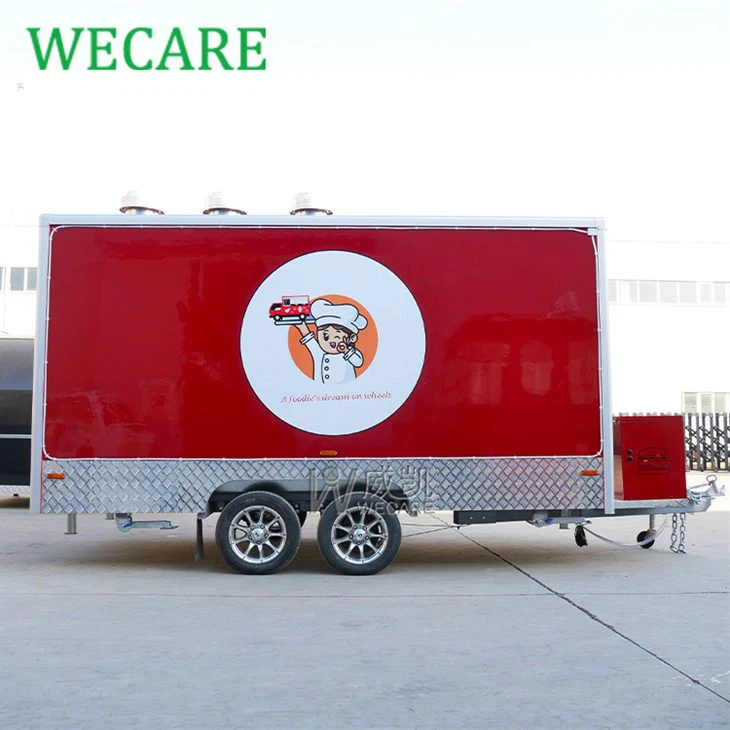
In conclusion, understanding the power requirements for your built coffee trailer is essential for a successful business. By carefully calculating your power needs and choosing the right power supply option, you can ensure that your coffee trailer runs smoothly and that you can serve delicious coffee to your customers.
If you're interested in learning more about our coffee trailers or have any questions about power requirements, feel free to reach out to us. We're here to help you get your coffee trailer business up and running. Let's start this journey together and make your coffee dreams a reality!
References
- Coffee Equipment Manufacturer Manuals: These manuals provide detailed information about the power consumption of specific espresso machines, grinders, refrigerators, etc.
- Electrical Engineering Textbooks: They offer general knowledge about power calculations and electrical systems.
Send Inquiry